Best Backpacking Stove (2026): Ultralight Canister Burners Worth Packing
Stoves
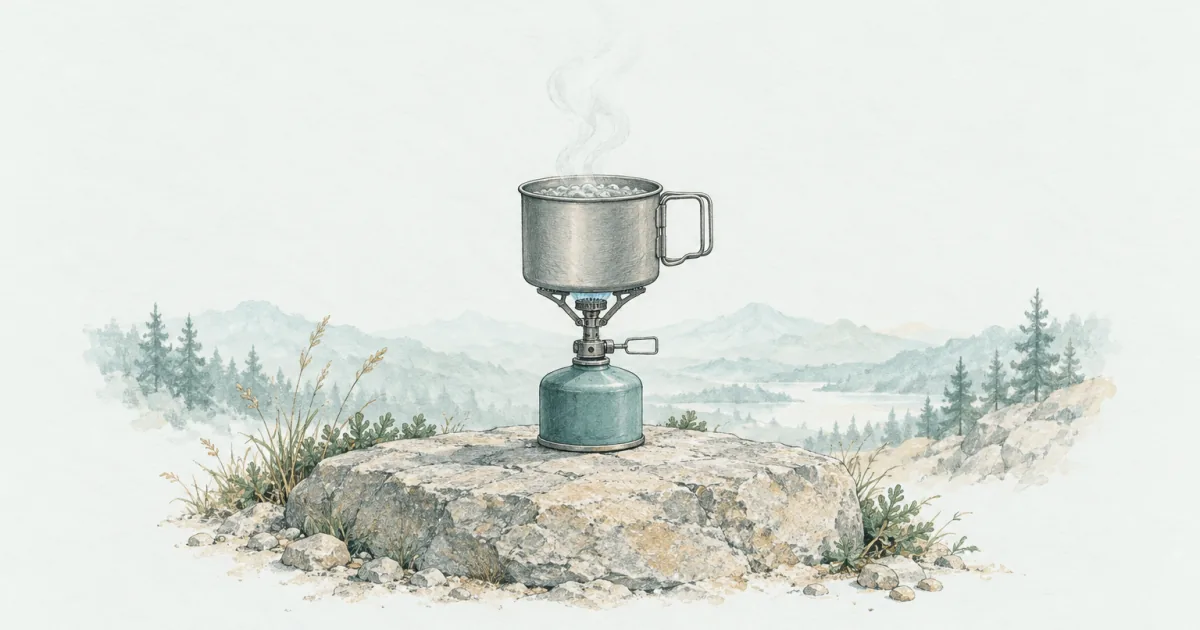
The best backpacking stove for most hikers is a light canister burner that boils fast, packs tiny, and matches how you cook on trail. PocketRocket for flexible pots, WindMaster for wind, Jetboil Flash for boil-only meals.
Our picks
Trail cooking fails when the burner is fussy, the pot tips, or wind steals half your fuel. The best backpacking stove for US three-season hiking is almost always a canister system: screw it on, light it, boil, pack it. Skip car-camp dual burners and alcohol experiments until your pack weight goal is clear. For picnic-table ranges, see best camping stove. Match pots with best backpacking cookware. The stoves category covers the rest of the burner styles worth comparing.
Bottom line picks
Screw-on burner vs integrated system
Most trail meals are boil water, add food, eat. A few hikers simmer real recipes. Be honest before you buy. If you live on freeze-dried pouches and coffee, an integrated system or a tiny screw-on burner both work. If you saute onions in a wide pot, you want open flame control and stable pot supports.
Top pick: MSR PocketRocket 2
The MSR PocketRocket 2 Ultralight Camping and Backpacking Stove is the classic gram-conscious choice. It screws onto a canister, folds small, and heats the pot you already own. That flexibility matters when your cook set changes between trips.
Who it is for: Thru-hikers, weekend backpackers, and anyone who wants a simple burner without buying a proprietary cup.
How it feels in use: Setup is seconds. Flame control is good enough for oatmeal and careful simmering if you practice. In calm weather it is almost boring, which is what you want at dinner. In a ridge gust it needs a screen or a rock wall, or you will watch boil times stretch and fuel disappear.
Skip if: You camp on windy ridgelines most nights and hate juggling a windscreen. Step up to the WindMaster, or accept slower boils.
Practice lighting at home. Learn a low simmer. Carry a backup lighter even if the piezo on another stove spoiled you.
Best in wind: SOTO WindMaster
The SOTO WindMaster Stove with 4Flex earns its name on breezy ridges. The regulator helps keep output steadier as canisters cool. Flame control is fine enough for real cooking, not just hard boils. The 4Flex arms give pots a wider, calmer stance than skinny three-leg burners.
Who it is for: Hikers who cook in exposed camps and want fewer wind walls made of rocks.
How it fits a kit: It still packs small for a regulated burner. You pay more than a basic PocketRocket, and that premium only pays off if wind or simmer cooking shows up often on your calendar.
Skip if: You only boil water for pouches in sheltered forest sites. The cheaper screw-on burner is enough.
Fast boil system: Jetboil Flash
The Jetboil Flash 1.0L Fast Boil Stove is for people whose trail kitchen is mostly water. Boil, pour, eat, pack the cup. Flux-ring efficiency and a tidy nest make it feel like a complete mini kitchen when dinner is a pouch and coffee is the second boil.
Who it is for: Fast-and-light meals, alpine starts, and coffee-first mornings.
Tradeoffs: You give up skillet flexibility. Wide frying pans do not sit on this system the way they sit on an open burner. If your weekends include quesadillas and fresh eggs in a pan, keep a screw-on stove instead.
Skip if: You want one burner that also handles real pot cooking. Buy PocketRocket or WindMaster and a pot you trust.
Fuel and canister tips
Buy isobutane mix canisters that match your stove thread. Keep a partially used can for short trips and open a full one before long stretches. In cold weather, keep the canister warm in a jacket before breakfast boils.
Never shake a lit stove like a soda can. Read the stove manual for inverted-canister tricks before you try them. For broader fuel choices, including liquid-fuel bottles, see camp stove fuel types.
Wind without melting plastic
A windscreen helps screw-on burners. Leave space so heat does not bake the canister. On integrated systems, follow the maker design. Rocks can work in a pinch if you keep the setup stable. More detail lives in camping stove windscreen.
Pot pairing that actually works
A burner is only half the system. Wide pots lose heat in wind. Tall narrow mugs boil faster but tip more easily on uneven ground. Match pot diameter to the stove supports so the base does not overhang like a diving board.
If you carry a titanium 750 to 1100ml pot, a screw-on stove is usually enough. If you want coffee and dinner at the same time on a car camp side trip, that is a different shopping list. Keep this page focused on pack weight.
Trip-length fuel planning
For a solo Friday-to-Sunday hike with two hot meals and coffee each day, one small canister often works if wind stays polite. Add margin for simmering real food, melting snow, or cooking for two. Weigh a can before and after a shakedown overnight so your next long trip starts with numbers, not vibes.
Store spare canisters in a side pocket away from sharp tent stakes. Do not crush empty cans into a shape that looks recyclable if your trailhead requires intact pack-out.
Cold-morning reality
Canister pressure drops when the can is cold. Keep the canister in a jacket while you filter water. Start with a full boil for coffee, then cook food. If mornings are near freezing often, a regulated stove helps more than a bargain burner with a nervous flame.
Practice night before the trailhead
Light the stove in the backyard once. Time a half-liter boil. Practice attaching and removing the canister with gloves on. Confirm your windscreen does not hug the fuel. That fifteen-minute rehearsal prevents the first night fumble when you are hungry and the light is fading.
Safety basics
Cook on a stable flat spot. Keep fuel away from tent vestibules when possible. Let the stove cool before packing. Pack out empty canisters where required. Do not leave a stove running unattended while you filter water fifty feet away.
Mistakes to avoid
Buying the cheapest no-name burner with vague pot supports. Tip-overs ruin dinners and canisters.
Ignoring wind until the first ridge camp. Practice a screen method at home.
Expecting a PocketRocket to behave like a two-burner car stove. Different job.
Skipping a backup ignition. Piezos fail. Lighters freeze. Carry redundancy.
Mixing stove classes without a reason. An integrated system plus a second open burner is fine for some kits. Owning three nearly identical screw-ons is just clutter.
Want wood heat or spirit burners instead of canisters? See camping rocket stove for stick-fed options, or camping alcohol stove for quiet alcohol burners.
Bottom line
A backpacking stove should match how you eat on trail. Start with the MSR PocketRocket 2 for flexible pot cooking. Choose the SOTO WindMaster when wind is the real enemy, or the Jetboil Flash when fast boils are the whole kitchen. Then pair the burner with a pot you trust and a fuel plan that matches trip length.
Frequently Asked Questions
What is the best backpacking stove for beginners?
A simple screw-on canister stove like the MSR PocketRocket 2 is the easiest start. Buy a small isobutane canister, a pot that nests with your kit, and practice at home once.
Canister stove or liquid fuel for backpacking?
Canister stoves win for most US three-season trips. Liquid fuel shines for deep cold, long remote stretches, or places where canisters are hard to find. See camp stove fuel types for the wider fuel map.
Do I need a windscreen?
Yes in any open ridge or desert site. Keep screens from trapping heat against the canister. Follow the stove maker guidance, and read camping stove windscreen before you improvise a foil wall.
How long does a small canister last?
It depends on boil count, wind, and simmer time. Solo weekend trips often finish a small can with margin if you are not boiling liters for a group.
Is Jetboil a backpacking stove?
Yes for boil-focused hikers. Integrated systems excel at water and freeze-dried meals. Open burners win if you fry or simmer in a separate pot often.
Can I use a backpacking stove for car camping?
You can, but a two-burner propane stove is more comfortable at a picnic table. Save the ultralight burner for pack weight goals, and use best camping stove when the trunk is doing the carrying.